How one Central American group is leaving its mark on New Orleans’s food scene
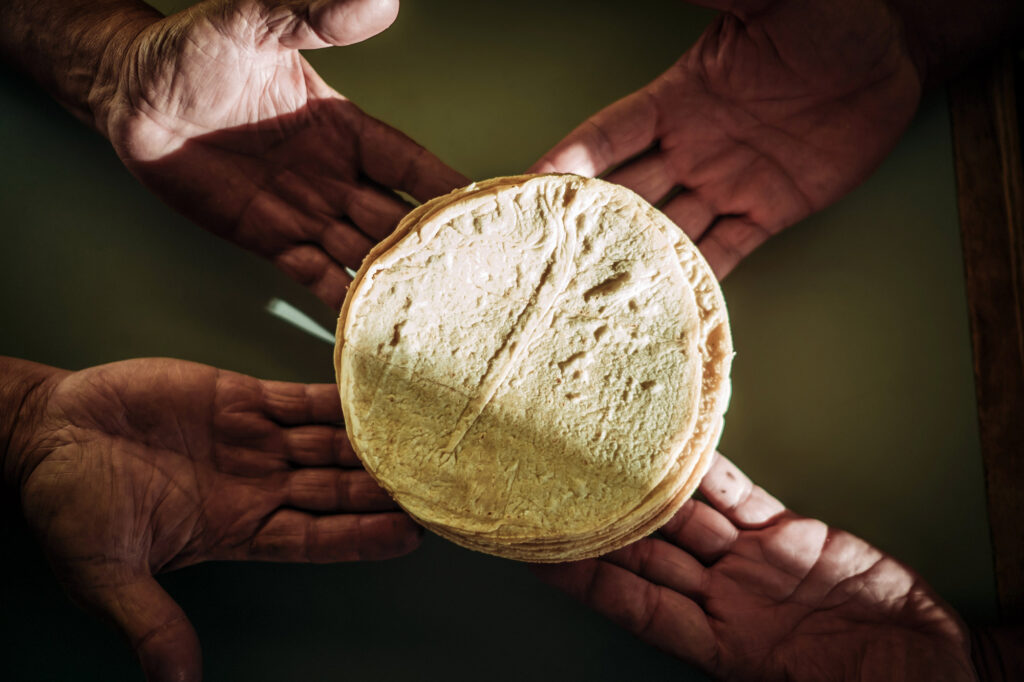
For many years, Latin American food in New Orleans was grouped into one category: Mexican.
But as more Latino restaurants have emerged and established their presence within the city, New Orleanians are starting to recognize the diversity within Latin American cuisine and the food belonging to its historically largest Hispanic group: Hondurans.
The Honduran diaspora in New Orleans traces back to the early 20th century, when the banana trade brought waves of migrant workers into the port city.
Some of the homestyle restaurants that served this population for decades are gaining wider recognition in the city’s culinary scene and introducing more New Orleanians to the flavors of their homeland. And modern Honduran restaurants are offering reimagined takes on the Central American country’s cuisine, from elevated baleadas to crawfish pupusas, and expanding the culture’s presence in the city.
“Honduras has so much to offer, and we deserve a plate on the table internationally and nationally,” said New Orleans chef Melissa Araujo, who has blended her Honduran roots with Italian techniques and taken a modern approach to traditional recipes.
Born in the coastal city of La Ceiba, Araujo said she’s seen an increase in awareness of Honduran cuisine, as her customers have visited other local Honduran restaurants and grown familiar with the food.
“Not a lot of Americans knew what a baleada was,” she said. “Now there’s more awareness of what Honduran cuisine is.”
But the growing recognition comes at a time when restaurants are struggling nationwide, due to immigration fears and rising costs that have forced many businesses to close their doors this year.
Deep roots in New Orleans
Like many of its Central American neighbors, Honduran cuisine is built on Spanish, Indigenous and African influences, with staple ingredients including corn, beans and plantain.
The second-largest Central American country is also known for its baleadas — a rolled flour tortilla stuffed with a smear of refried beans, drizzles of sour cream, crumbled queso duro (hard cheese) and slices of avocado. Pollo chuco is another famous dish, featuring a stack of fried plantain chips topped with fried chicken, coleslaw, pickled onions and a mix of tomato sauce and salsa rosada (ketchup and mayo).
Regional influences are also reflected across Honduras’ 19 departments — in La Ceiba, they make their horchata with peanut butter; in other coastal regions you’ll find tapado (a creamy coconut milk seafood stew deriving from the Indigenous Garifuna) and sopa de caracol (conch chowder).
They brought some of those dishes with them to New Orleans in the early 1900s, when the United Fruit Company — a large U.S. corporation that commercialized the banana trade – would export bananas from Honduras to its headquarters in New Orleans, carrying migrant workers on its steamships.
The Honduran population continued to grow over the years, especially in the 1950s and 60s. And in 2005, after Hurricane Katrina, many Hondurans came to work as day laborers, helping rebuild the city.
Beth D’Addono, a freelance writer who has covered food in New Orleans for over 25 years, said she saw two upticks in Honduran eateries: First, some restaurants opening after Katrina, and then food trucks and pop-ups during and after the coronavirus pandemic, in part fueled by federal covid loans.
That has helped to diversify the food scene in a city known for po’boys, gumbo and jambalaya.
“We’ve famously been called a city with so many restaurants with just one menu. And that’s no longer the case,” she said.
Blending Louisiana and Central America
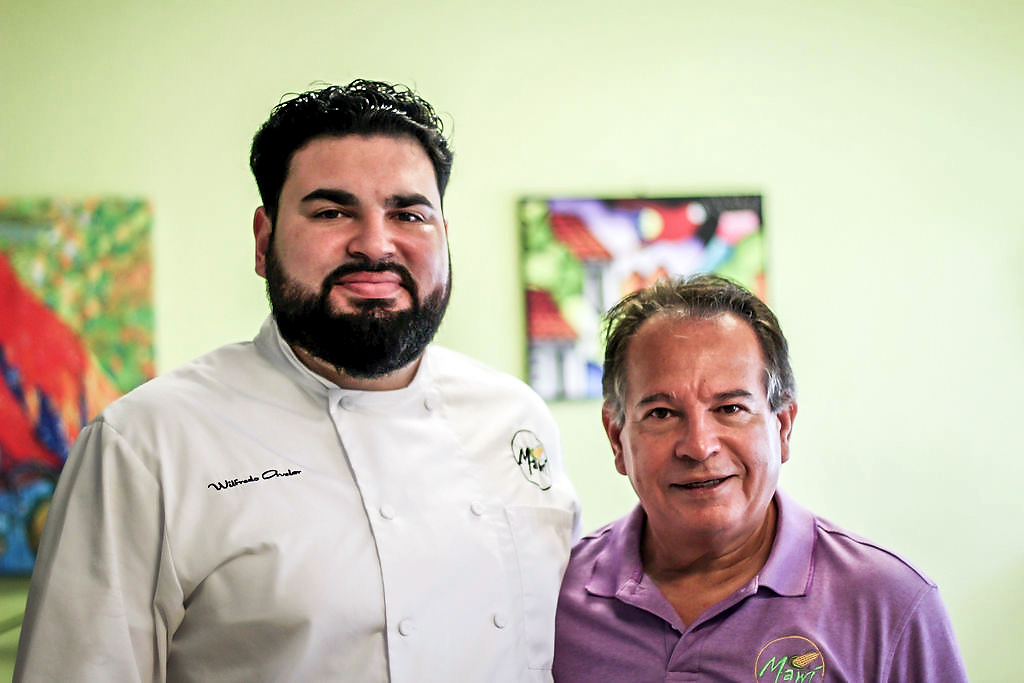
At Mawi Tortillas in the Metairie suburb of New Orleans, chef Wilfredo Avelar offers a variety of Central American dishes — a nod to his Costa Rican and Salvadoran roots – with a touch of Southern influence, thanks to his local upbringing.
Avelar purchased the tortilla bakery with his father in 2017. They’ve since expanded to a full-service restaurant, offering Central American dishes, with an emphasis on Salvadoran, Honduran, and Costa Rican breakfast and lunch plates.
Avelar credits his mostly Honduran staff for helping develop the Honduran dishes on the menu, and teaching him the way they prepare their food. For example, the way they prepare shredded chicken was new to Avelar: They boil the chicken, shred it, sweat it in onions, garlic, cilantro and butter, and season it in a pot with yellow mustard, cumin and bouillon.
The restaurant also offers fusion dishes inspired by his Louisiana roots, including crawfish pupusas, shrimp quesadillas and a tres leches king cake during Mardi Gras.
“What I like to do with my food and at Mawi is take my influences of Louisiana and my memories of what I grew up eating and try to combine both of them,” Avelar said.
At Mawi, Avelar said he’s exposed his customers to a variety of Central American dishes and explained the differences between each country’s cuisine, including the difference between Honduran and Mexican flautas. In Mexico, the crispy rolled tortillas are dressed with a spicy red or green salsa, sour cream and shredded lettuce; in Honduras, they’re drenched in a mild tomato sauce and salsa rosada (ketchup and mayo).
Honduran native Victoria Melgar and her daughter Laura, a trained pastry chef, opened a neighborhood bakery and cafe earlier this year in the Mid-City neighborhood of New Orleans.
Melgar, who came to the U.S. when she was 5 years old, had previously owned a cupcake bakery but could no longer sustain the business after Hurricane Katrina led to devastating economic losses.
But with a push from her daughter to start their own bakery, the mother-daughter duo took the opportunity and opened Barrio Bites in March, where they now serve a variety of pastries, coffee drinks, and breakfast and lunch items.
Melgar said the menu is influenced by various regions and cuisines inspired by their love for travel, including Portuguese tarts, Spanish basque cheesecake, and, of course, the Honduran baleada.
Melgar, like many Honduran restaurant owners, is used to explaining what a baleada is to non-Honduran customers — though the awareness for the iconic street food is beginning to grow, she said.
“Mexican food is the go-to for American people just ‘cause they know it,” Melgar said. “Letting people taste other foods really just opens that up for everyone.”
‘Not just businesses’
Last summer’s federal immigration crackdown in New Orleans brought an influx of Border Patrol officers and frequent immigration raids that led many restaurants to temporarily close amid a loss of employees and customer revenue.
New Orleans native Craig Kraemer witnessed the impact on Hispanic restaurants, noticing empty restaurants and hearing stories of friends and locals getting deported.
Wanting to help boost those businesses, Kraemer started a Facebook group called N’awlins Hungry Gringos to organize weekly lunch meet-ups at local Hispanic restaurants in Kenner, a New Orleans suburb with a concentration of Honduran and other Latin restaurants.
“New Orleans is known for its diverse culture… It’s valuable to keep these restaurants open and it keeps this diverse culture here,” he said. “These restaurants are not just businesses. They’re people’s lives.”
But Kraemer said he believes the challenges for restaurants have only gotten worse.
“Oftentimes when we go to a Hispanic restaurant, we’re the only people there for lunch,” he said. He’s heard more stories of people being deported or leaving the country.
Rising business costs, meanwhile, have also forced several New Orleans restaurants to shut their doors this year. And development projects are threatening to displace restaurants.
Araujo, the Italian-Honduran chef, opened Alma Cafe in 2020, serving elevated Honduran dishes including a baleada with homemade tortillas made from pork lard and coconut milk.
But this month, the restaurant quietly closed its doors.
If you go:
Mawi Tortillas
5050 W. Esplanade Ave. Ste C, Metairie, LA
Barrio Bites
4201 Canal St., New Orleans, LA
Angela Osorio is a senior at Cal State Long Beach and is the editor in chief of the Long Beach Current, her campus newspaper. She has interned for the Los Angeles Times and at ABC 7 in Los Angeles. She hopes to one day work for a national newspaper. Reach her at angoso1638 [at] gmail [dot] com.
