Recent college graduates find uncertainty in a tough job market
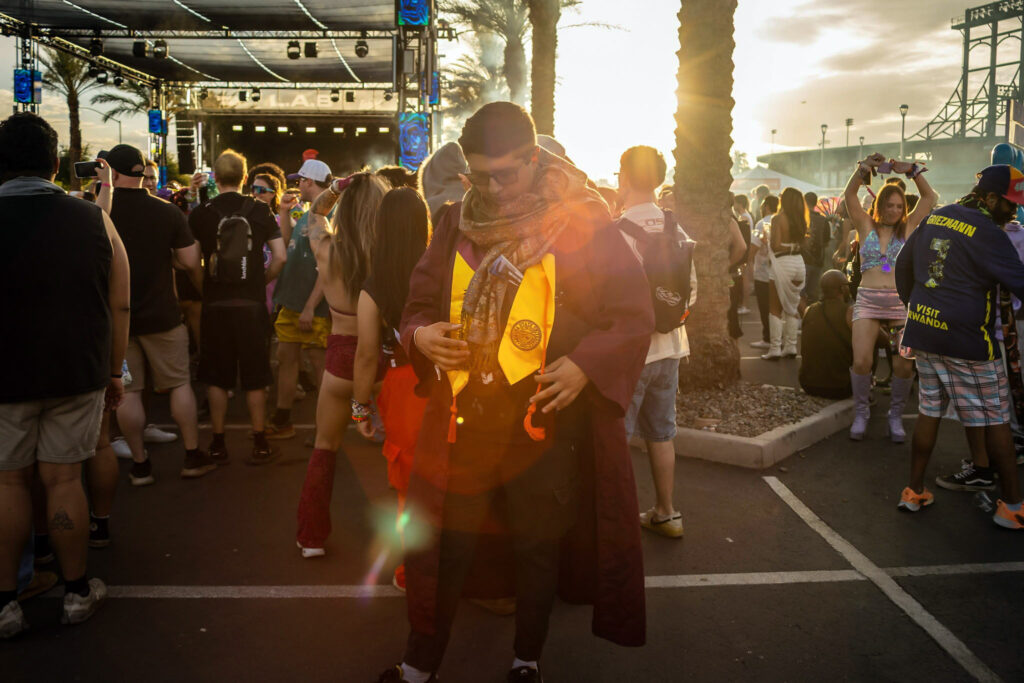
Every morning, Pedro Rojo checks job postings.
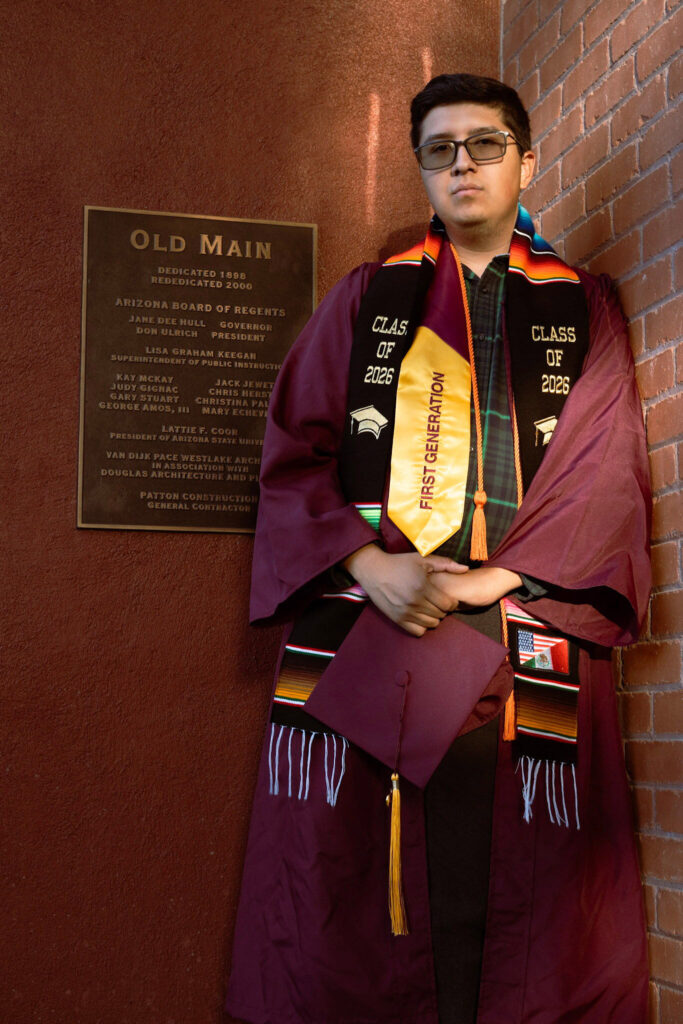
After graduating from Arizona State University with a bachelor’s degree in journalism and mass communication, Rojo expected to begin a career in photojournalism. Instead, he returned home to live with his parents.
He now applies for jobs and waits. Rojo knew finding a job after graduation would be difficult, but he did not expect this.
“There’s a very severe shortage of entry-level jobs, especially in journalism,” Rojo said. “You need a lot of experience for something that you should already have experience for.”
The challenges he’s faced to find a first job reflects a broader reality among many recent college graduates. Although earning a college degree is often viewed as a pathway toward professional opportunities, many graduates are discovering that finding employment in their field can take longer than expected.
Recent graduates are in an increasingly difficult entry-level job market that’s the worst since the pandemic. According to a report from the Federal Reserve Bank of New York, the unemployment rate for recent college graduates increased to 5.7% during the first quarter of the year.
The challenge is especially prominent in an already competitive journalism market. Mass layoffs have hit newsrooms across the country. At the same time, artificial intelligence has started to change how newsrooms operate.
Ninette Sosa, a journalism professor and adviser at the University of Arkansas, said graduates who don’t take part in internships, student projects, and professional networking struggle the most. She said classroom instruction alone isn’t enough to compete in today’s hiring environment.
“The biggest challenge students face is applying for jobs where they don’t have enough experience because they haven’t completed internships or participated in student media,” Sosa said.
But Rojo said experience doesn’t always translate to a job.
Rojo noticed many openings required years of experience despite being labeled as entry entry-level positions. He did what was required to stay competitive by completing internships. He also worked in equipment services while attending college.
He said employers want more. And some students have opted to delay an immediate search.
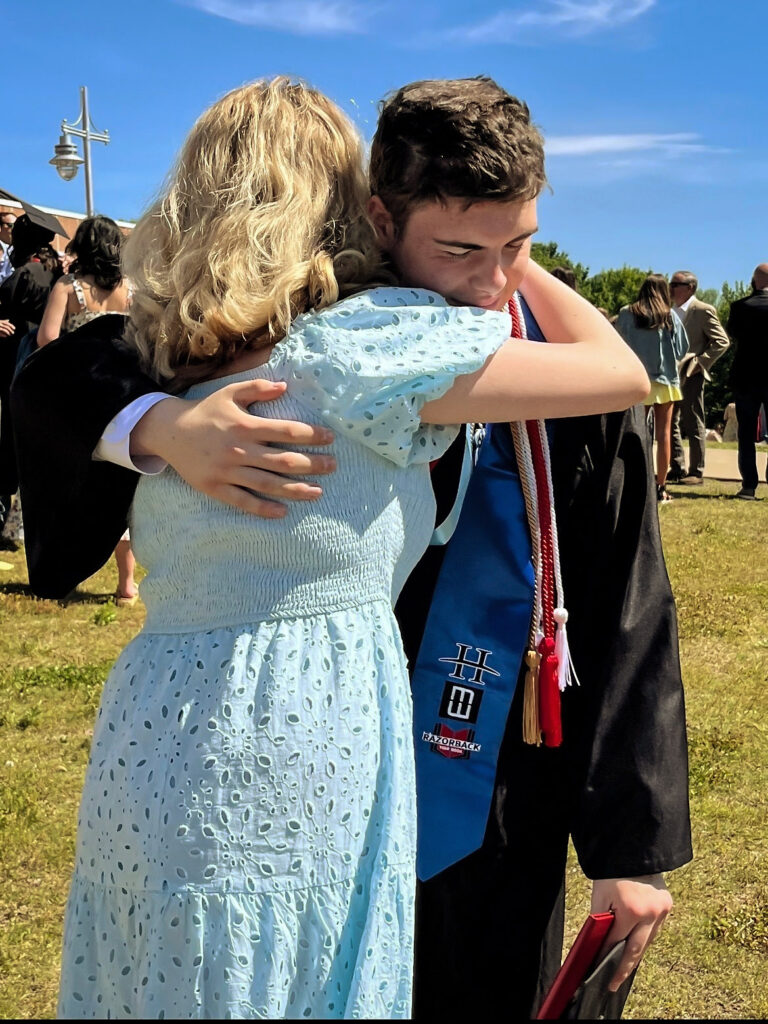
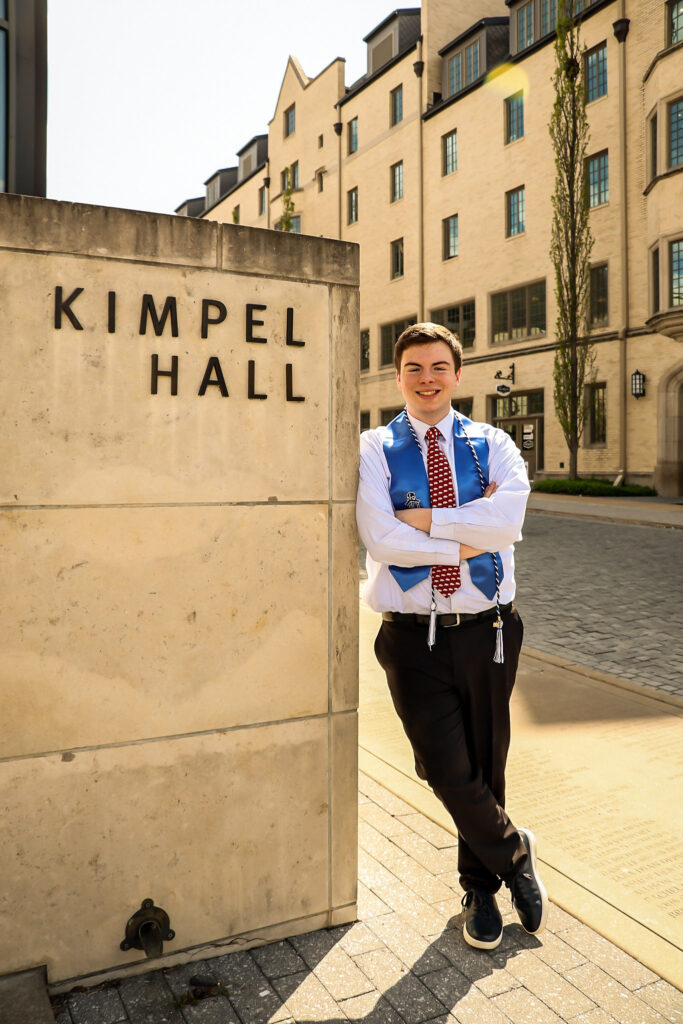
Cooper Gant, a University of Arkansas journalism graduate, decided to continue his education by pursuing a master’s degree in journalism at the University of Maryland after receiving a fellowship. He chose graduate school because the current job market influenced how he viewed the transition into professional journalism.
“I’m especially grateful that I’m not entering the job market,” Gant said. “It’s not easy to find the right spot as it has been in years previously.”
Rojo also witnessed changes in the journalism industry while studying television production. During his time learning studio operations, he saw news organizations adopt automation systems that reduced the number of employees needed to produce live broadcasts.
“I think it’s really changing everything quickly,” Rojo said. “A lot of studios are doing automation, and that cuts the studio crew by more than half.”
Rojo still has hope. He continues applying for positions and said he believes the opportunity to start his career will follow.
Vivian Hernández Mejia is a recent graduate from the University of Arkansas. She was an anchor at La Voz Arkansas and the vice president of her school’s NAHJ chapter. She aspires to pursue a career as a news producer. Reach out to her at vivianmejia123@gmail.com.
